Dreaming of becoming a pilot? Whether you aspire to fly commercial airliners, corporate jets, cargo aircraft, or simply experience the freedom of flying, becoming a pilot is one of the most exciting and rewarding career paths in the world.
The aviation industry continues to experience strong global demand for skilled pilots, creating excellent opportunities for aspiring aviators. However, many students have questions such as:
- Where do I start?
- What qualifications do I need?
- How long does flight training take?
- Which pilot license should I earn first?
- How do I choose the right flight school?
This guide walks you through every stage of becoming a professional pilot and explains how choosing the right training academy can set the foundation for a successful aviation career.
Step 1: Decide Your Aviation Career Goal
Before beginning your flight training, identify your career objective.
You may want to become:
- Commercial Airline Pilot
- Corporate or Business Jet Pilot
- Cargo Pilot
- Flight Instructor
- Charter Pilot
- Agricultural Pilot
- Search and Rescue Pilot
Knowing your destination helps you choose the most suitable training path.
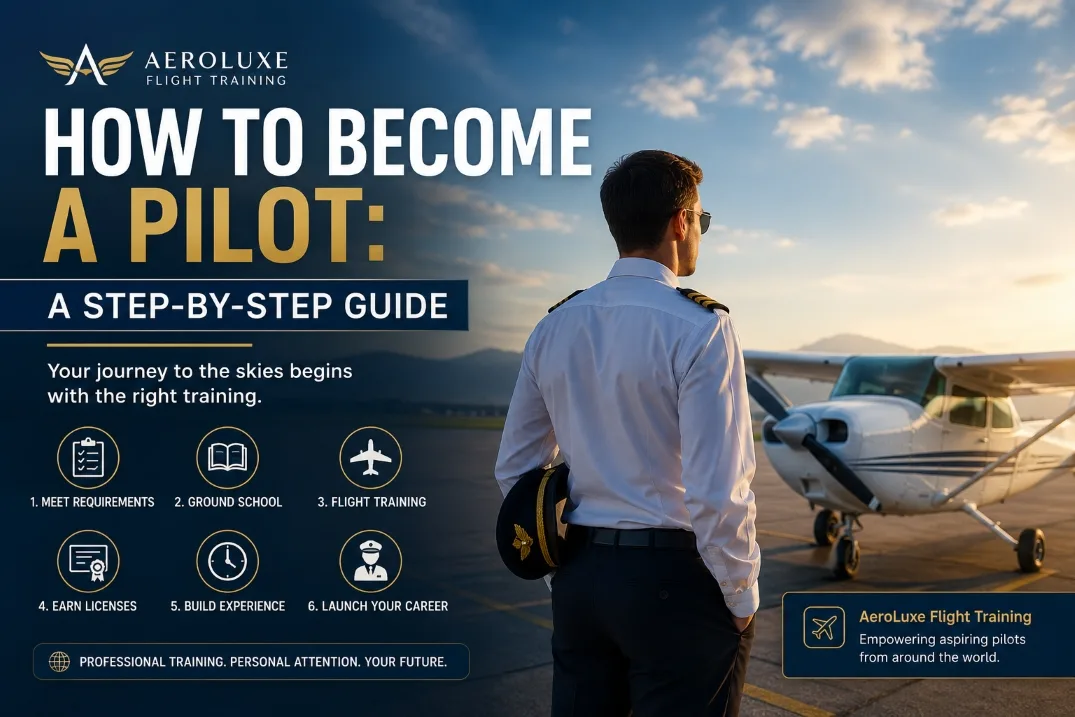
Step 2: Meet the Basic Requirements
Although requirements may vary by country, most aspiring pilots should:
- Be at least the minimum required age
- Have a good understanding of English
- Meet aviation medical standards
- Possess strong communication and decision-making skills
- Be passionate about learning and safety
A professional flight academy can guide you through these requirements and help you prepare for each stage of training.
Step 3: Obtain Your Aviation Medical Certificate
Before investing in flight training, you’ll typically need to pass an aviation medical examination conducted by an authorized aviation medical examiner.
The medical certificate confirms that you meet the physical and mental standards required to operate an aircraft safely.
This is an important milestone because it ensures you’re eligible to continue toward your pilot certifications.
Step 4: Enroll in a Reputable Flight Training Academy
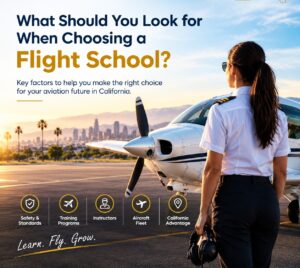
Your choice of flight school is one of the most important decisions you’ll make.
A quality academy offers more than just flight hours—it provides experienced instructors, structured learning, modern aircraft, safety-focused training, and career guidance.
When evaluating a flight school, consider:
- Qualified and experienced instructors
- Well-maintained training aircraft
- Modern flight simulators
- Comprehensive ground school
- Strong safety culture
- Personalized student support
- Transparent training structure
- Career-focused programs
At AeroLuxe Flight Training, we are committed to helping aspiring pilots build the knowledge, confidence, and practical flying skills needed for long-term success. Our student-centered approach combines classroom instruction, simulator training, and real-world flight experience to prepare students for professional aviation careers.
Step 5: Strong Foundation
School provides the knowledge that every pilot needs before taking to the skies.
Students learn topics such as:
- Principles of Flight
- Aircraft Systems
- Navigation
- Meteorology
- Aviation Regulations
- Flight Planning
- Aircraft Performance
- Airspace
- Radio Communication
- Aviation Safety
A strong foundation makes practical flight training more effective and builds confidence in the cockpit.
Step 6: Begin Flight Training
This is where your aviation journey truly begins.
Under the guidance of certified flight instructors, you’ll progressively develop essential flying skills, including:
- Aircraft pre-flight inspections
- Taxiing procedures
- Takeoffs and landings
- Climbs and descents
- Turns and maneuvers
- Emergency procedures
- Cross-country navigation
- Night flying (where applicable)
Every flight lesson builds upon previous experience, helping students become safe, competent, and confident pilots.
Step 7: Earn Your First Pilot License
Most aspiring pilots begin by earning a Private Pilot License (PPL).
The PPL allows you to fly for personal purposes and forms the foundation for advanced pilot training.
After gaining experience, students typically continue toward:
- Instrument Rating (IR)
- Commercial Pilot License (CPL)
- Multi-Engine Rating
- Certified Flight Instructor (CFI)
- Airline Transport Pilot (ATP)
Each certification expands your skills and brings you closer to a professional flying career.
Step 8: Build Flight Experience
Professional pilots need experience—not just certificates.
As you continue flying, you’ll gain valuable flight hours while improving:
- Decision-making
- Situational awareness
- Navigation skills
- Weather assessment
- Communication
- Aircraft handling
- Emergency management
Many pilots build experience by becoming flight instructors or flying in commercial operations before joining major airlines.
Step 9: Prepare for Your Professional Career
Once you’ve completed your required certifications and flight hours, you’ll be ready to pursue exciting aviation opportunities.
Career options include:
- Commercial Airlines
- Regional Airlines
- Corporate Aviation
- Cargo Operations
- Charter Companies
- Flight Training Organizations
- Government Aviation
- Humanitarian Aviation
The aviation industry offers opportunities across the globe, making it an attractive profession for students from many different countries.
Why Choosing the Right Flight School Matters
Your flight school influences every stage of your aviation journey.
The right academy doesn’t simply help you pass exams—it develops disciplined, safety-conscious, and highly skilled pilots who are prepared for real-world aviation challenges.
At AeroLuxe Flight Training, our mission is to provide aspiring pilots with high-quality training in a professional learning environment. We emphasize safety, individualized instruction, and practical experience to help students progress confidently from their first lesson to advanced pilot certifications.
Whether you’re taking your very first flight or pursuing a professional aviation career, our instructors are dedicated to supporting your goals every step of the way.